What Is Trading and How Can You Start Trading Successfully
Trading is the practice of buying and selling financial instruments such as futures, forex, stocks, or commodities with the goal of making a profit. Trading is accessible to anyone and does not require an economics degree or complex math skills. The core of trading success lies in understanding market trends, using simple but effective strategies, and managing risk carefully.
What Is Trading and Why Is It Simple
Trading simply means speculating on the price movements of assets. You buy when you expect prices to rise and sell when you expect them to fall. Contrary to popular belief, trading doesn't require a complicated formula or insider knowledge. Instead, it relies on observing price action, recognizing patterns such as trendlines, and making disciplined decisions based on these observations. The key takeaway is that trading can be simple if you follow a clear system and consistently apply it.
Building a Trading System Using Trendlines
A practical trading system often starts with drawing trendlines, which are straight lines connecting consecutive highs or lows on a price chart. These lines help identify the direction of the market:
- Uptrend line: Connects higher lows, indicating a bullish market.
- Downtrend line: Connects lower highs, indicating a bearish market.
Traders use these trendlines to pinpoint entry points—buy near the uptrend line bounce or short near the downtrend line resistance. Stop losses are typically placed just beyond the trendline to limit risk if the market moves against the trade. This simple approach enables traders to trade with the trend and avoid guessing market turns blindly.
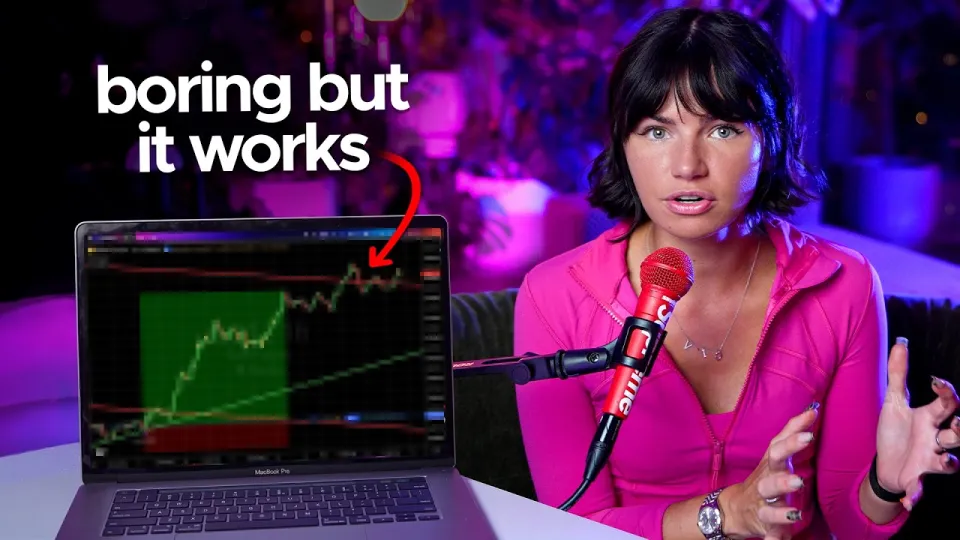
Video: Unfortunately, trading really is this simple
Managing Trades from Entry to Exit
Effective trade management includes:
- Entry: Initiate the trade when price touches or nears the trendline with confirmation from price action.
- Stop Loss: Place a stop loss below (for longs) or above (for shorts) the trendline to protect capital.
- Monitoring Volatility: Volatility can spike unexpectedly, especially in futures like gold. Traders must be ready to exit swiftly if the market moves rapidly against them.
- Exit: Take profits at predefined levels or when the trend shows signs of reversing, such as a bend at the end of a trendline.
This step-by-step management is crucial to avoid large losses and lock in gains.
Tracking and Reviewing Trades for Improvement
Consistently tracking your trades is vital for growth as a trader. Using trade journaling software like TradeZella allows you to record entries, exits, profits, losses, and emotional state. Analyzing this data helps identify what works and what needs adjustment. It also enforces discipline and prevents repeating mistakes. Regular review sessions help refine your strategy and build confidence.
Common Questions and Challenges in Trading
Many traders wonder where to set stop losses relative to trendlines. A general rule is just beyond the trendline, but exact distance depends on asset volatility. Others ask about adapting the trendline strategy for different markets like stocks or commodities; while principles remain similar, each market’s behavior varies, requiring tailored adjustments.
Additionally, some traders express concern about algorithmic trading in stocks that can work against small traders. Understanding market microstructure and choosing the right instrument, such as futures where retail traders can compete more evenly, may help mitigate this.
Useful Links
- Join the waitlist for exclusive trading insights and bonuses: https://go.toritradez.com/waitlist-1009
- Track your trades with TradeZella: https://www.tradezella.com/?via=victoria (use code TORI20 for discount)
- Broker used by many futures traders: https://www.tradestation.com/promo/toritrades/
Conclusion
Trading is fundamentally simple but requires discipline, a reliable system, and good risk management. Using trendlines as a core tool provides clear entry and exit points. Managing trades carefully and tracking performance are keys to long-term success. The channel Tori Trades offers practical guidance and transparent strategies to help traders at any level. For those ready to start or improve their trading journey, joining the waitlist at Tori Trades can provide valuable resources and community support.
Key takeaways
- Trading involves buying and selling assets like futures or stocks to profit from price changes.
- Trendlines are a key tool to identify market direction and entry points in trading.
- Successful trading does not require advanced math or a finance degree.
- Risk management and trade tracking are essential for consistent profitability.
- Using platforms like TradingView and brokers like TradeStation can enhance your trading experience.
Questions & answers
How do I decide where to place stop losses when trading with trendlines?
Stop losses are typically placed just beyond the trendline—below it for long trades and above it for short trades—to protect against unexpected price moves. The exact distance depends on the volatility of the asset being traded.
Is trading futures like trading stocks or commodities the same?
While the basic principles of trading apply across markets, futures often provide more liquidity and leverage compared to stocks, and commodities can be more volatile. Traders should adapt their strategies to the specific characteristics of each market.
Do I need advanced math or a finance degree to succeed in trading?
No, trading does not require advanced math or formal finance education. Success comes from understanding market behavior, applying simple strategies such as trendline trading, and managing risk effectively.
How can I track and improve my trading performance?
Using trade journaling tools like TradeZella helps record all trades, including entry, exit, and emotions. Regularly reviewing this data identifies patterns and mistakes, enabling you to refine your strategy and improve discipline.
Source: Unfortunately, trading really is this simple · Markdown version